
 Tiếng Việt
 English
 中文
Media Handbook
What is Mental Availability? Why is this metric important for brands?
Last updated: 25 Sep 2026
Let's say a survey shows that the majority of your target customers recognize your brand. However, if a purchase is needed, your business might not be the first name that comes to mind. Clearly, customers already know you, so what's preventing them from thinking of you when they need to buy?
In brand management, this question relates to mental availability. Instead of simply measuring recognition, this concept considers in which purchasing situations a brand can be recalled.
What is mental availability?
According to the Ehrenberg-Bass Institute for Marketing Science , an Australian research institute specializing in consumer behavior and brand growth, mental availability is the probability that a brand will be noticed, recognized, or thought of by buyers in purchasing situations.
The key lies in the phrase "in the buying situation." Typically, consumers rarely proactively think about brands. Only when they have a need do certain names come to mind. The Ehrenberg-Bass Institute calls these situations that trigger a purchase demand Category Entry Points (CEPs), or more simply, a specific buying scenario.
Simply put, these are the moments when we think about buying a product. For example, morning drowsiness or sluggishness might make you think of coffee, or an obsession with weight and calories might immediately lead you to think of a gym or yoga class.
You can visualize this process as follows:
Buying situation → Memory activated → Several brands thought of → Choice
Therefore, "knowing a brand" and "thinking of that brand when you need to buy" are two very different things. The more buying scenarios a brand is associated with, the greater the chance it will appear in the customer's mind if they have a need.
How does mental availability differ from brand recognition?
Brand awareness and mental availability are both related to memory, but they are not exactly the same.
Brand awareness indicates whether customers recognize or remember a brand. For example, if asked "What coffee brands do you know?", respondents might name a few familiar ones.
Mental availability goes a step further than the above concept: when there is a real need, which name comes to mind? For example, the brand a customer remembers when they need to buy coffee on their way to work may be different from the brand they remember when they need to find a coffee shop to meet with a business partner.
Therefore, a person may know many brands, but not every brand they know will be considered in every purchasing situation , and mental availability helps businesses see this gap.
How long does it take to build mental availability?
The Ehrenberg-Bass Institute's How B2B Brands Grow report also indicates that, in a specific buying scenario (CEP), only about 20-30% of those surveyed think of a brand that already has a strong market presence. Even for leading brands, this percentage is often only around 50% .
One simple reason is that each customer has different purchasing needs at different times. Some people might be looking to buy product A today, while others might consider it three months from now. That's why brands need to maintain a constant presence to strengthen associations in customers' minds, making it easier for them to remember the brand and product when the need arises.
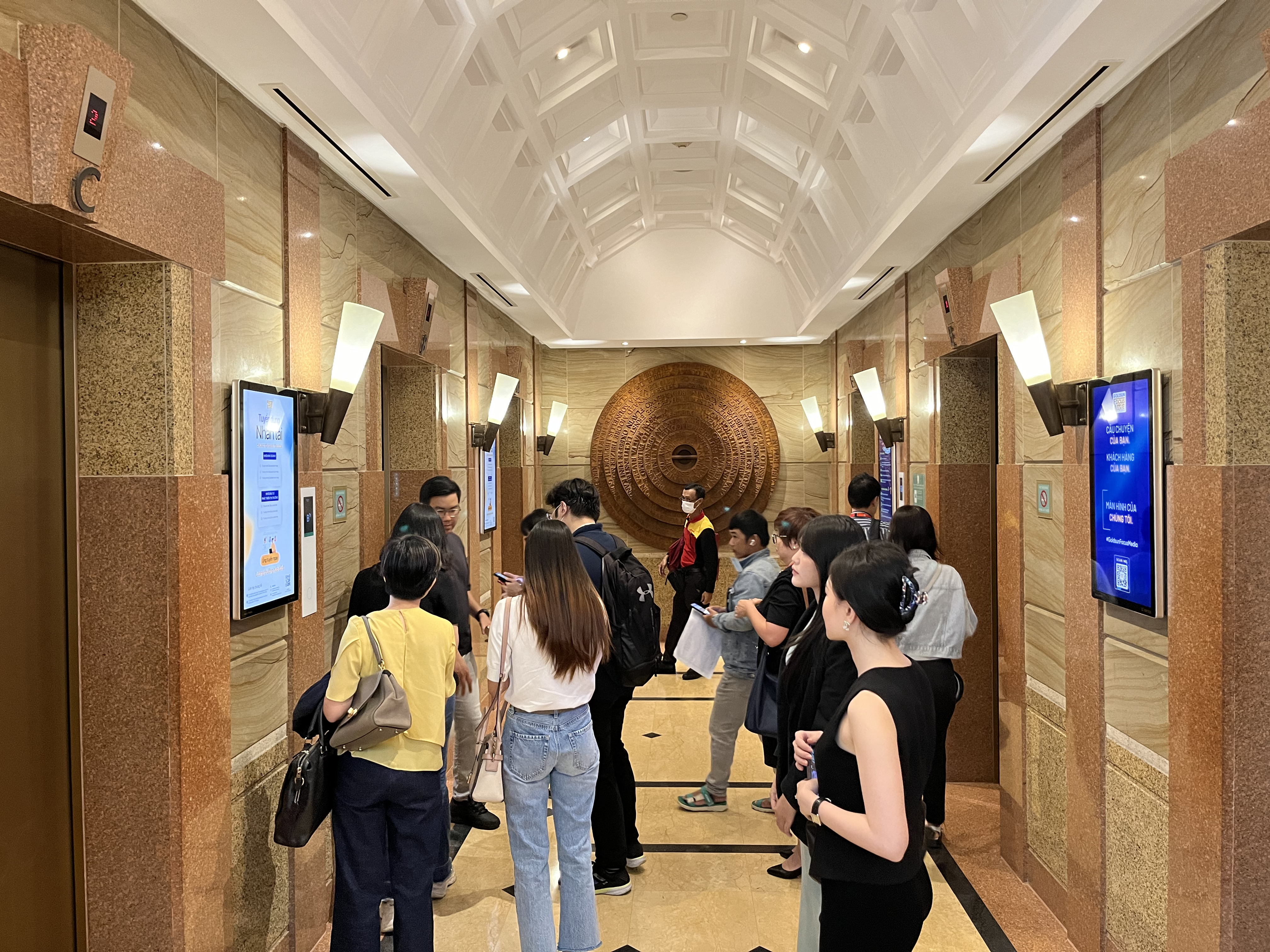
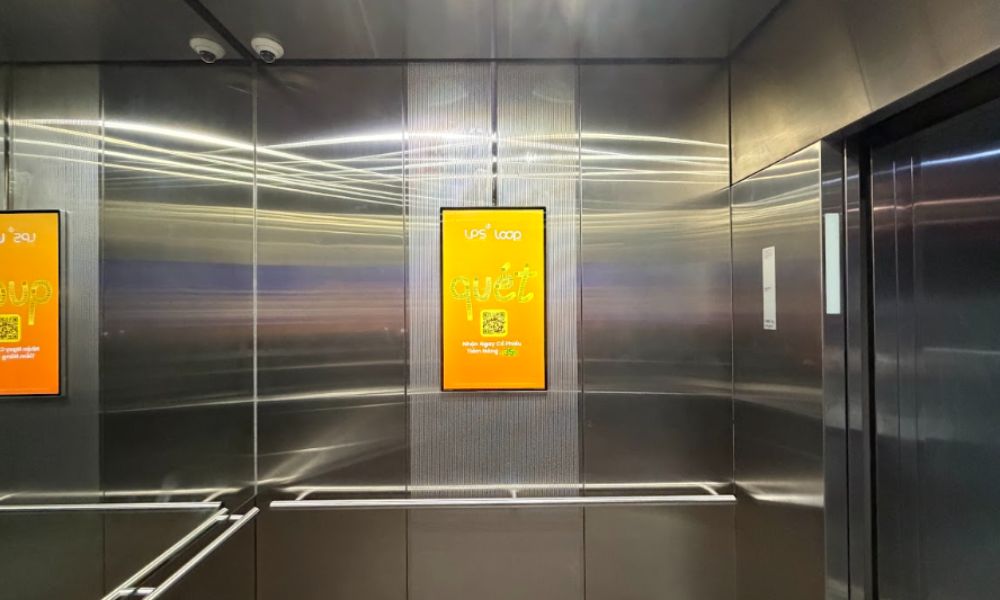
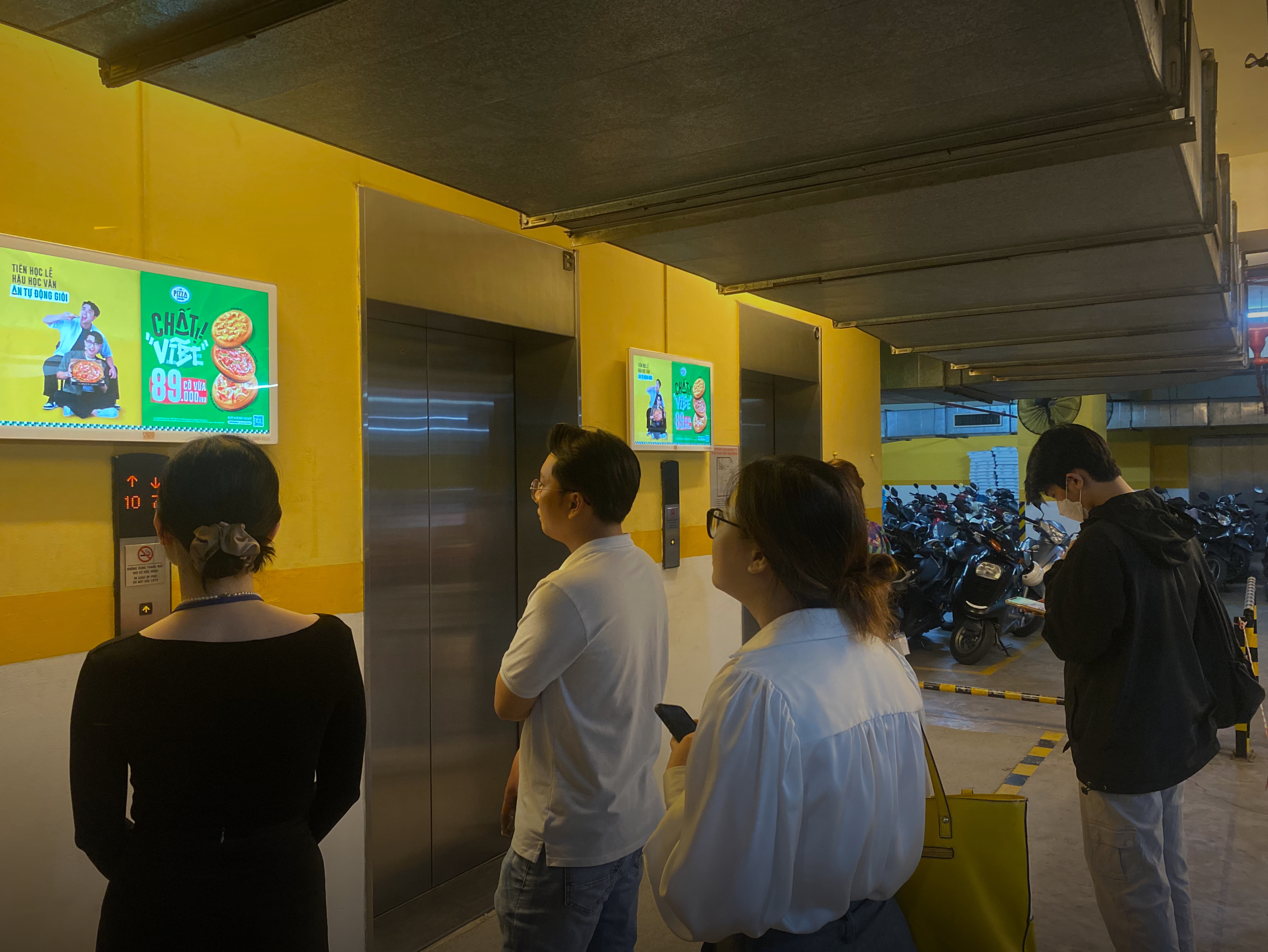
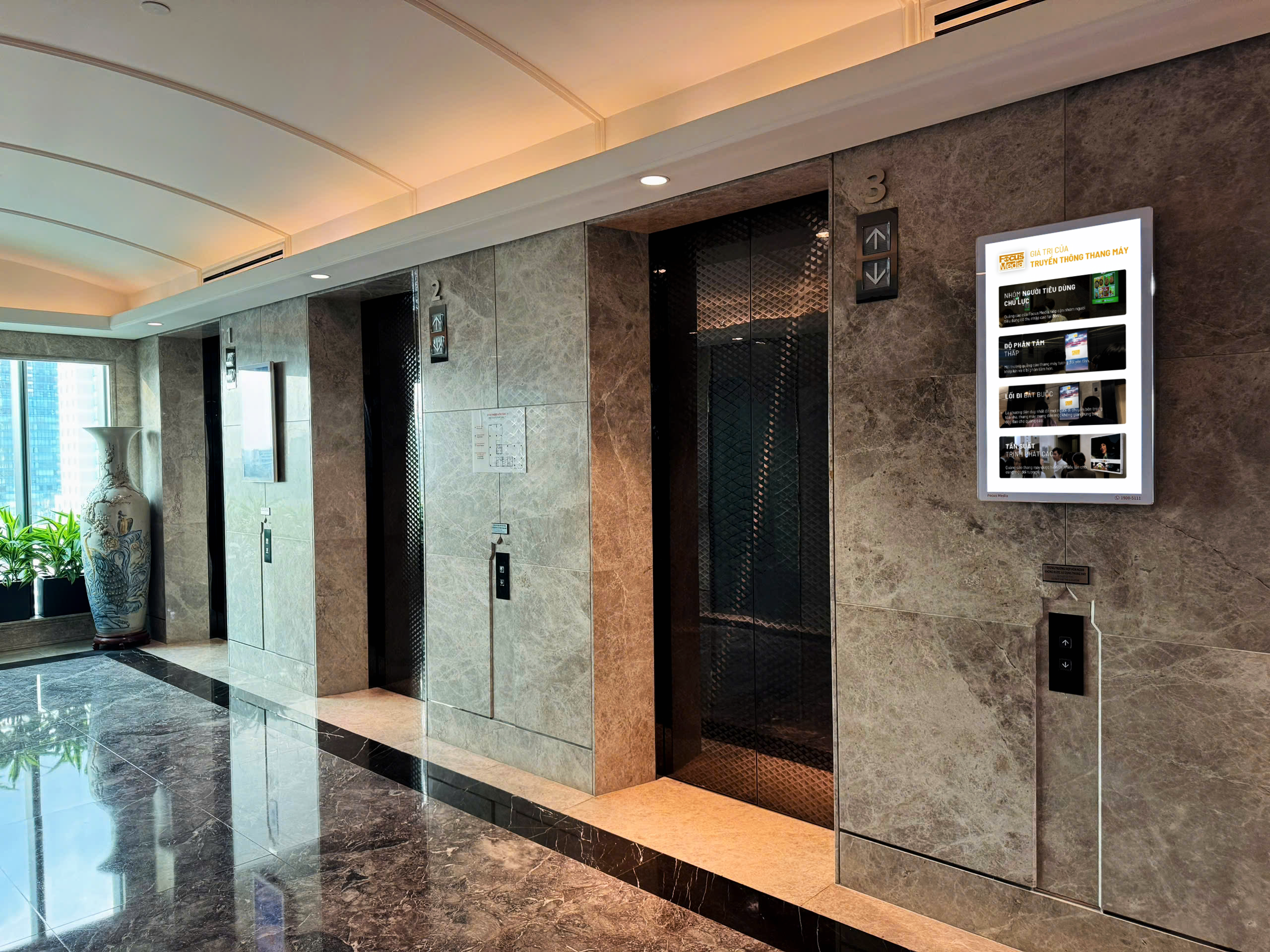
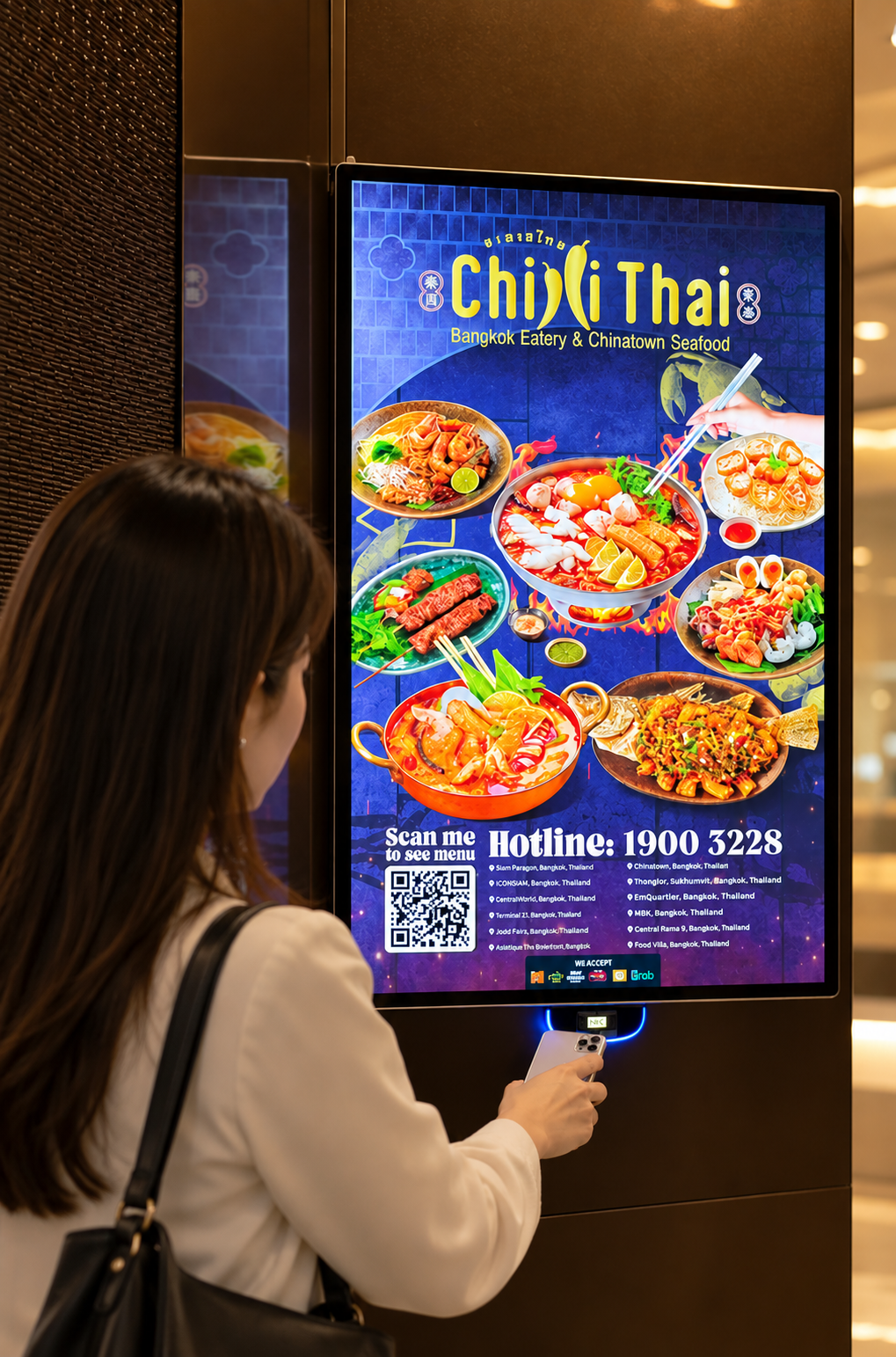
Elevator advertising is one way to ensure brands are consistently present in consumers' daily lives: where they live, work, shop, and entertain.
What role does elevator advertising play in building mental availability?
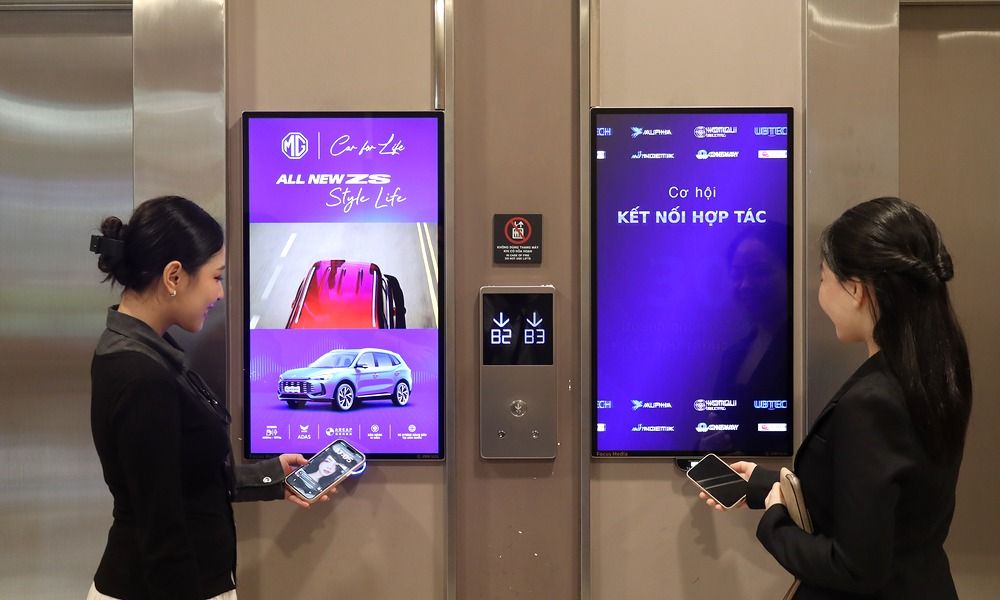
Elevator advertising can contribute to building mental availability in two ways: bringing the brand closer to buyers and creating opportunities for the brand to be seen and remembered repeatedly in daily life.
1. Reach buyers in the areas where they live, work, and shop.
Elevator advertising brings brands into places connected to consumers' daily lives, from apartment buildings and office buildings to shopping malls. This is also why Focus Media 's network of over 18,000 elevator advertising screens in major cities helps brands reach more than 9 million users every day.
The key point is not only the number of people reached, but also the purchasing power of the target customer group that the brand can meet in these locations. Working professionals, residents of these areas, and frequent shoppers are directly involved in both work and consumption activities. Therefore, this is a customer group with the ability to pay for and purchase the products and services that the brand offers.
2. Repeat touchpoints at times associated with different needs.
A person may use the elevator multiple times a day, and each time it's used in a different context. In the morning, leaving their apartment for work, they might enter the elevator to "feel alert to start the day ." At lunchtime, leaving the office, the need might shift to "what to eat for lunch?" or "need a quick meal near the office ." At the end of the day, after leaving the office or dropping off their children at school, needs related to dinner, shopping, studying, or family activities may arise.
What's noteworthy here is that the same elevator touchpoint may appear multiple times in a daily journey, but the context and viewer needs change over time. For businesses, this opens up the possibility of choosing the location, time, and message based on the desired CEP (Content-Based Advertising Percentage), rather than simply counting the number of times the advertisement is played.
How can businesses measure mental availability?
Mental availability can be measured by examining which purchase scenarios (CEPs) buyers are associating with a brand, and then tracking these associations over time.
These two metrics can help businesses view a problem from two different perspectives:
- Mental penetration indicates how many buyers in an industry associate a brand with at least one key performance indicator (CEP). For example, if you survey 100 coffee buyers and 60 think of brand A in at least one of the surveyed purchase scenarios, the mental penetration of brand A is 60%. This indicator helps answer the question: how many people thought of the brand in at least one purchase scenario?
- Network size indicates the average number of CEPs (Concepts of Purpose) each person associates with a brand. For example, if someone thinks of brand A when they "need to wake up in the morning," "need a place to meet clients," and "want a break," then the brand is associated with three CEPs in that person's memory. This metric helps answer the question: in how many different situations might each buyer think of the brand?
Therefore, mental availability surveys don't just ask "What coffee brands do you know? ", but rather ask situational questions: "When you need to be alert to start your workday, what coffee brand comes to mind?" or "When you need a place to meet clients, what brand comes to mind?"
Combining these two metrics helps businesses determine brand communication. The gap lies in breadth or depth: does the brand need to be thought of by more people, or does it need to be remembered by one person in more buying situations? From there, businesses can decide whether to expand the number of people who remember the brand or build more connections with relevant buying situations.
From "known" to "thought about": what questions do marketers need to change?
With mental availability, businesses need to take it a step further: when will customers think of them?
This could be when they need to be alert to start their day, find a place to meet a client, or quickly buy an item on their way home. Each situation is an opportunity for the brand to be remembered.
Therefore, the question shouldn't stop at "how many people know us?" but should be broadened to "who do we want to be thought of, in what situations, and what connections does the media need to strengthen for that to happen?"


Comment (0)
Related News


 CONTACT
CONNECT WITH FOCUS MEDIA VIETNAM
Share your campaign goals. Focus Media Vietnam will advise on how your brand can appear at the right touchpoints within the building and connect viewers to your landing page, e-commerce platform, app, or digital content.

No comments yet. Be the first to share your thoughts.