
 Tiếng Việt
 English
 中文
Media Handbook
Should Small Businesses Run Elevator Ads?
Last updated: 11 Sep 2026Why is elevator advertising worth considering for small businesses?
Elevator advertising helps businesses reach the right target audience in places they frequent. The enclosed space of an elevator makes your brand and products stand out because viewers have virtually no other option but to look at the screen in front of them. This is quite different from placing ads in the digital environment, where a simple swipe takes viewers to different content.
Aggregate data from Nielsen shows that OOH (outdoor advertising, including elevator ads) significantly boosts search behavior: although it accounts for only 7% of total offline advertising spending, 46% of US adults use brand search engines after seeing OOH ads.
Another Nielsen study showed that OOH advertising achieved the highest recall rate among the media channels surveyed, surpassing radio, podcasts, online advertising, and TV streaming.
In the Vietnamese market, Mordor Intelligence estimates the size of OOH and DOOH advertising at $119.9 million in 2025 and projects it to reach $127.14 million by 2030. This indicates that elevator advertising is in a stable phase. Therefore, small businesses should participate to build brand awareness before costs increase due to competition.
Is elevator advertising effective for small businesses?
The answer is yes. The audience retention mechanism of elevator advertising truly helps customers remember your brand. This mechanism remains unchanged regardless of budget size. What small businesses need to do is choose the right metrics that suit their scale.Want Want , a Taiwanese food and ice cream brand over 60 years old, entered the Vietnamese market in 2019. In July 2024, upon launching its Want Want Frozen ice cream, Want Want partnered with Focus Media to run elevator advertising campaigns in office buildings, apartment complexes, and shopping malls in Ho Chi Minh City, Hanoi, and Da Nang, targeting young people, office workers, and families. With a frequency of 720 loops per day during peak hours from 7 AM to 10 PM, the campaign increased brand awareness by over 79% with in-elevator imagery and 81% with TV commercials outside the elevators (based on reports from NIQ and GfK ). These results demonstrate the significant impact of elevator advertising on brand recognition and recall in consumers' minds.
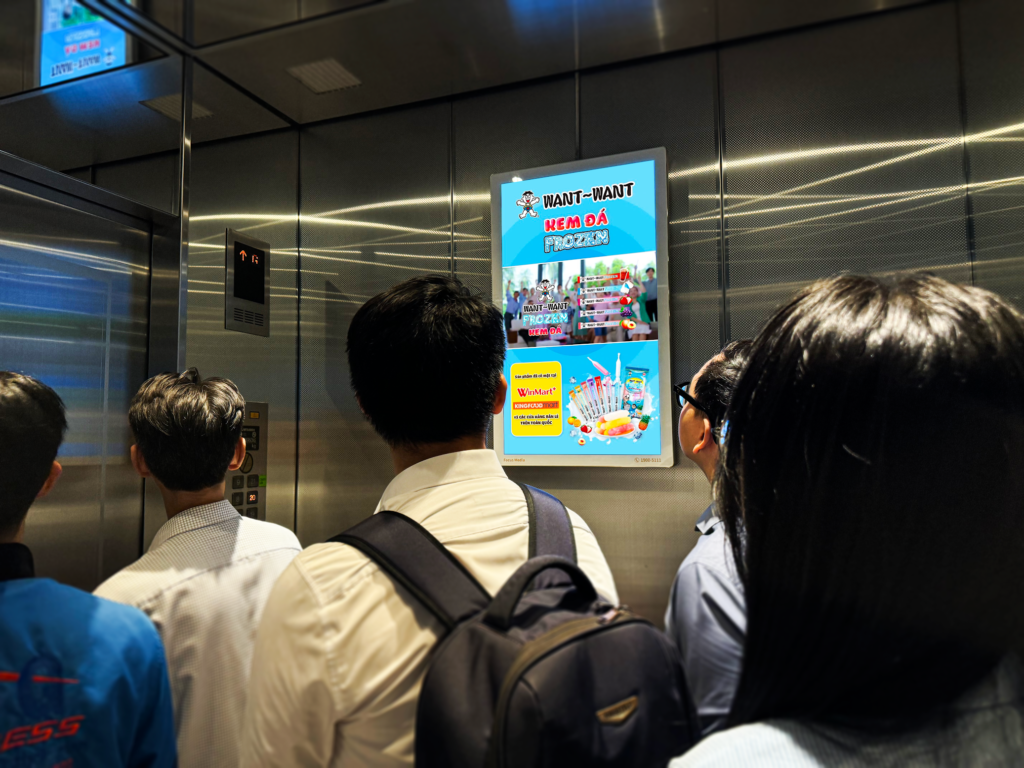 An advertisement for Want Want brand elevators.
With a limited budget, the effectiveness of advertising needs to be measured at the scale chosen by the business. Focus Media Vietnam offers flexible solution packages tailored to each category. Therefore, businesses can choose to advertise in buildings based on their area or target customer segment instead of being required to purchase the entire network.
How Should Small Businesses Start Advertising for Elevators?
For small businesses with limited budgets, it's best to start small and establish clear measurement mechanisms, rather than experimenting extensively without controlling the results.
You can consider these three practical principles:
- Choose building clusters that target the right customer segment instead of spreading your products broadly.
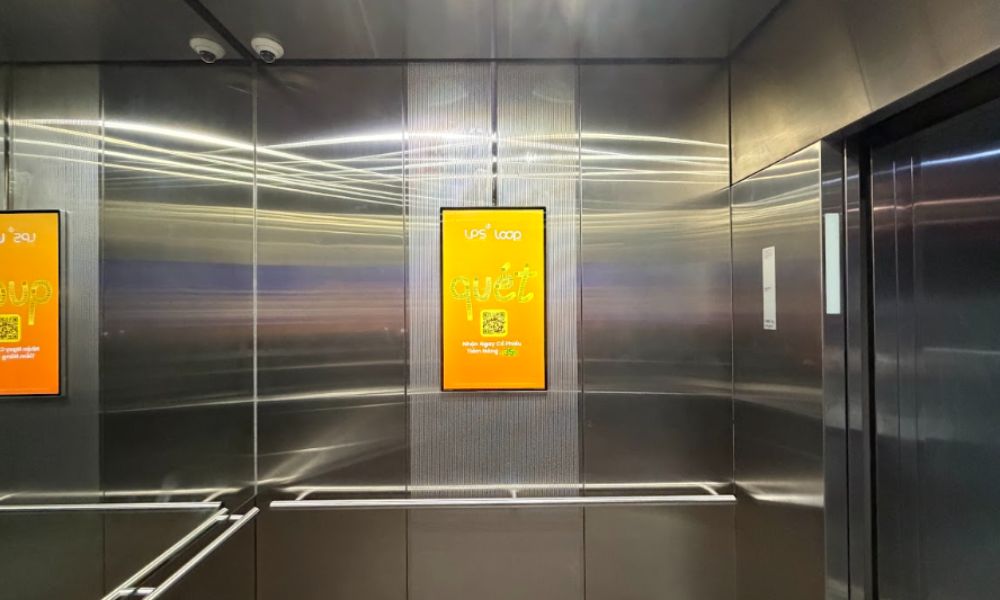
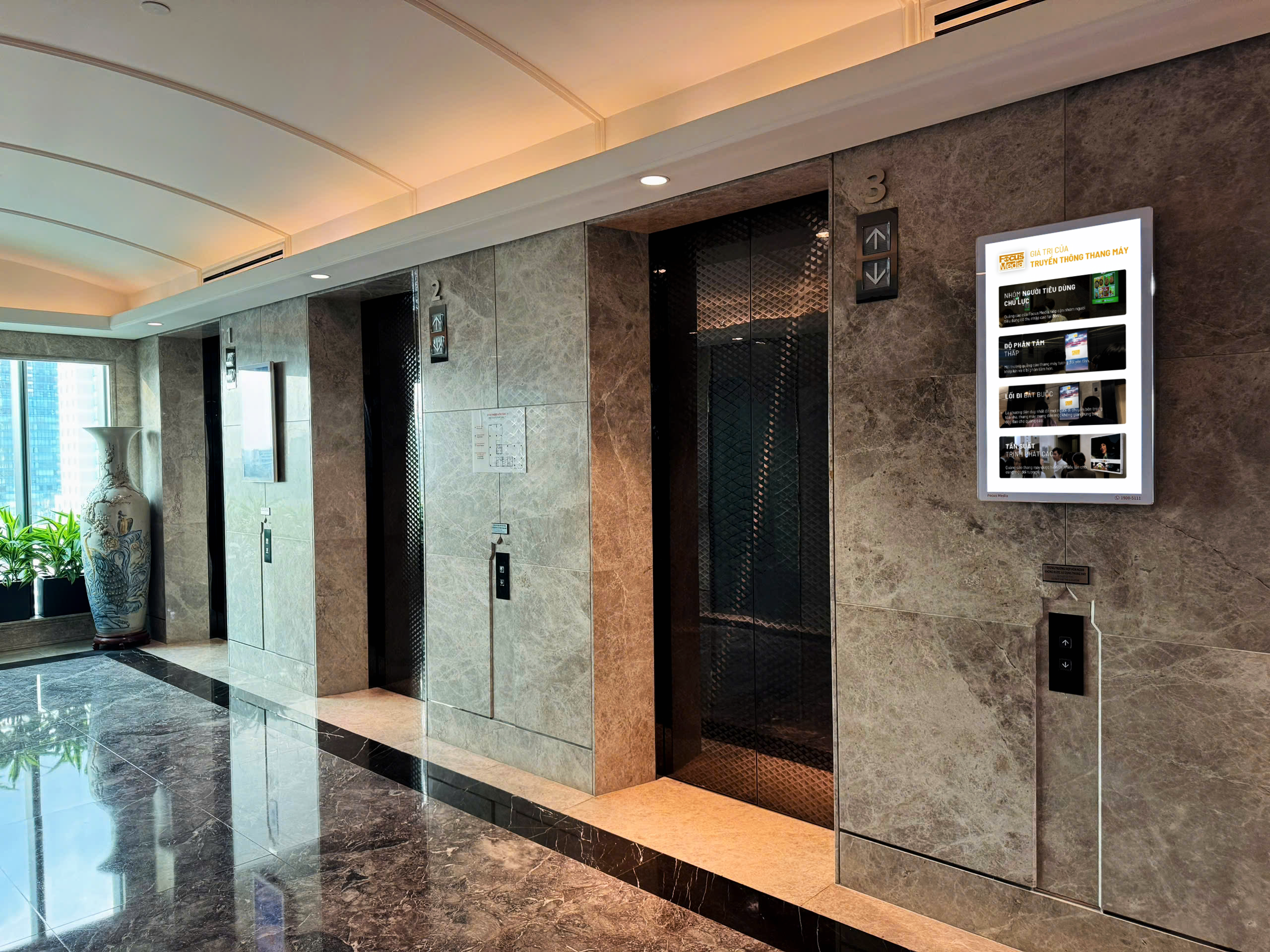
- Prioritize low-budget screen formats like Digital Frame (vertical frame) with short ad durations.
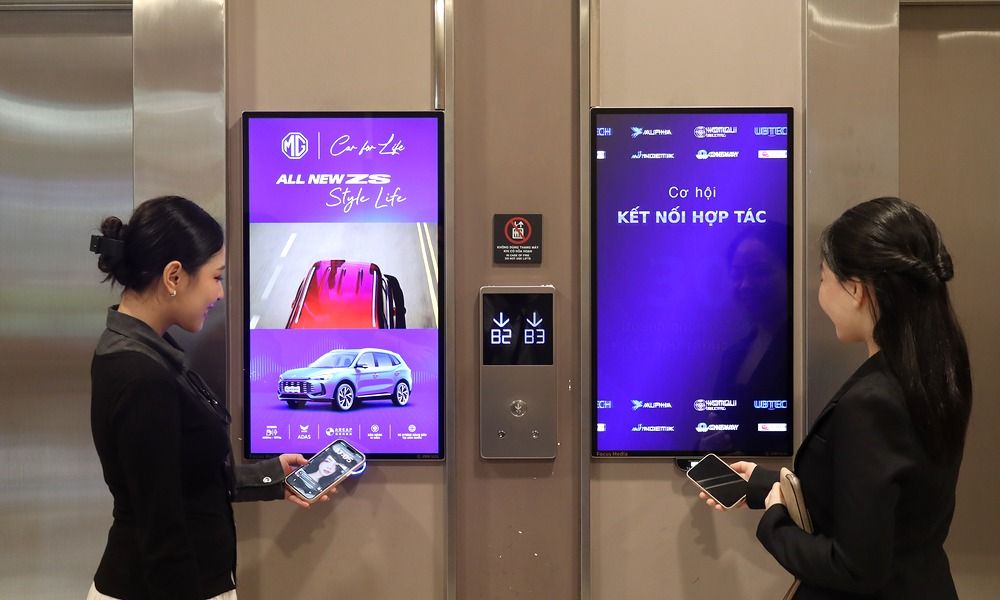
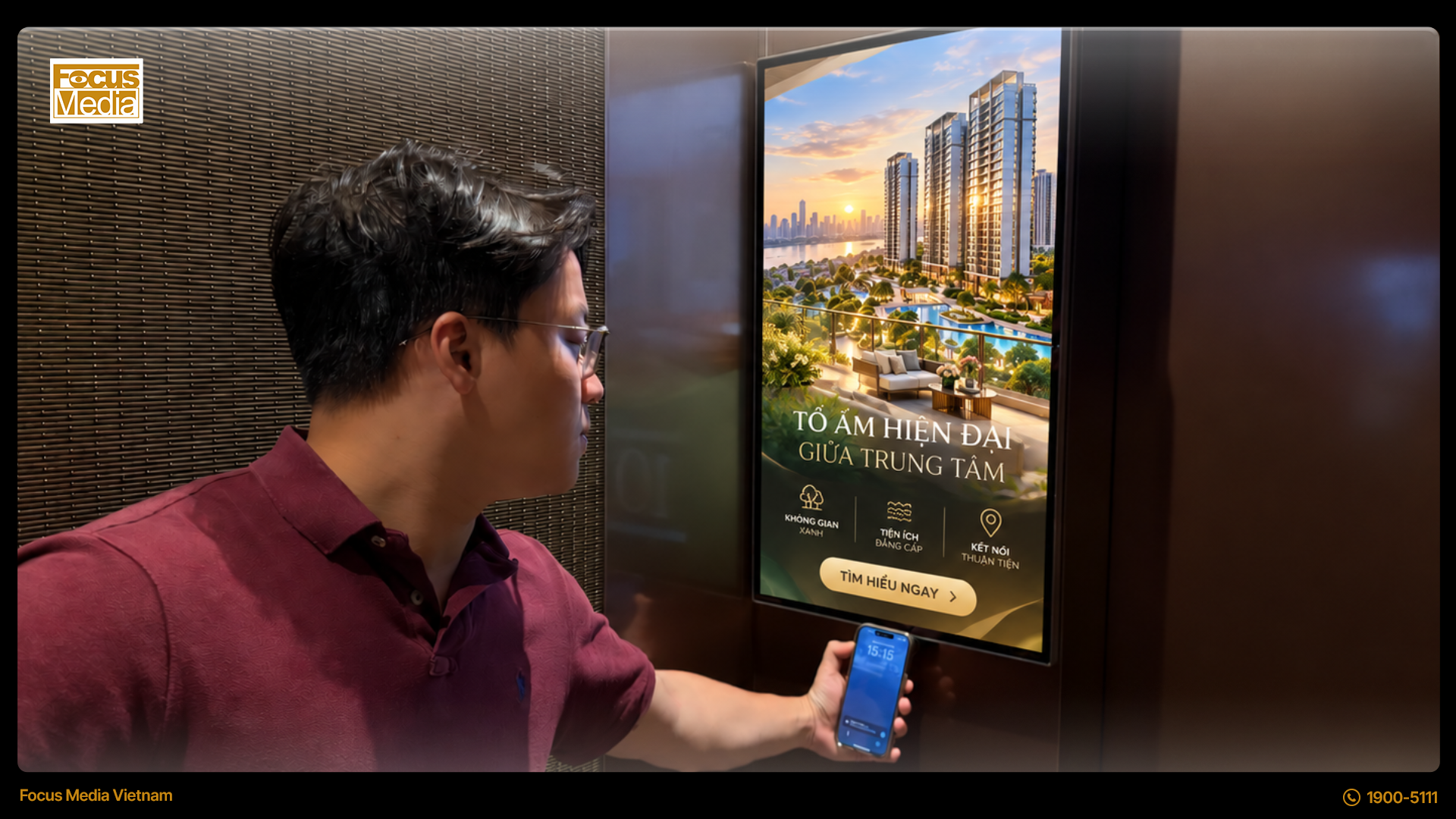
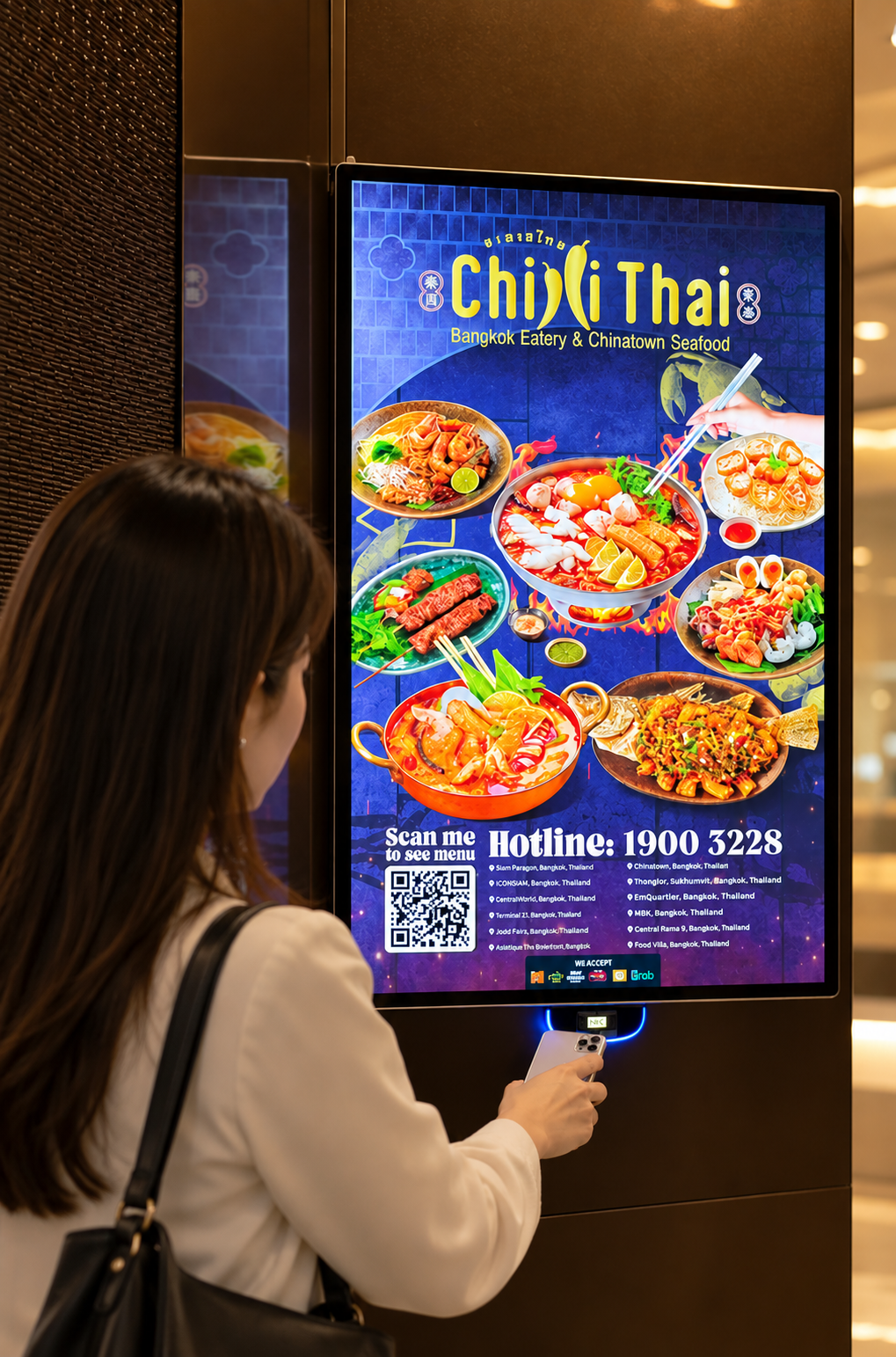
- Attach NFC or QR codes to obtain interactive data right from the first campaign, instead of relying on subjective measurement.
Read more about elevator advertising costs for small businesses here: What Does Elevator Advertising Cost for Small Businesses Include?
What Risks Should Small Businesses Consider Before Making a Decision?
Not all industries are equally suited to elevator advertising. Fast-moving consumer goods, on-site services, or brands needing to build local recognition often see more pronounced results than B2B industries with longer decision cycles, because while elevator advertising is strong in terms of memorability and recognition, it cannot replace the entire complex sales funnel.
Measuring in-depth conversions—that is, actual sales generated from a campaign—can be challenging if a business doesn't have its own tracking system (landing page, custom promotional codes, or CRM to record customer leads). If this is your first time experimenting with this channel, you should track measurable metrics within your chosen scope. Specifically, you can measure NFC interactions, landing page visits associated with the campaign, or internal awareness surveys within your target customer group, rather than comparing it to the increased awareness of a citywide campaign. Therefore, businesses need to establish their own measurement mechanisms from the outset instead of relying on readily available data for reference.
Another factor that significantly impacts advertising effectiveness is campaign duration. Running ads for too short a time or covering too few buildings will make it difficult to generate enough repeated exposure for customers to remember the brand. Therefore, even with a small budget, you need to ensure your ads are maintained for the minimum required duration (usually 4-6 weeks) to obtain reliable data, instead of running a trial for one week and then concluding whether this channel is effective or not.
Frequently Asked Questions
How long does a small business need to run elevator advertising to see results?
It should be maintained for at least 4-6 consecutive weeks. Shorter periods usually do not provide sufficient repeated exposure frequency to measure the true impact.
Are elevator advertisements suitable for all industries?
Not entirely. The fast-moving consumer goods (FMCG), F&B, or brands needing to build brand awareness often see more noticeable results than the B2B industry, which has a longer decision-making cycle.
Is there a way to measure effectiveness when the budget is small?
Yes. Attach a unique NFC or QR code to your campaign, use a unique landing page or promotional code to differentiate your customer base instead of relying solely on perceived brand recognition.
Are elevator advertising more effective than Facebook Ads or other digital channels?
These two types of channels complement each other, not completely replace each other. Elevator advertising helps customers remember the brand, while digital ads help businesses target specific audiences and measure conversions directly. Therefore, elevator advertising is best suited for small businesses when used in conjunction with digital channels to both build brand awareness and measure conversions.


Comment (0)
Related News

 CONTACT
CONNECT WITH FOCUS MEDIA VIETNAM
Share your campaign goals. Focus Media Vietnam will advise on how your brand can appear at the right touchpoints within the building and connect viewers to your landing page, e-commerce platform, app, or digital content.

No comments yet. Be the first to share your thoughts.