
 Tiếng Việt
 English
 中文
中文
29% of consumers choose places that offer loyalty points and brand incentives
Last updated: 13 Oct 2026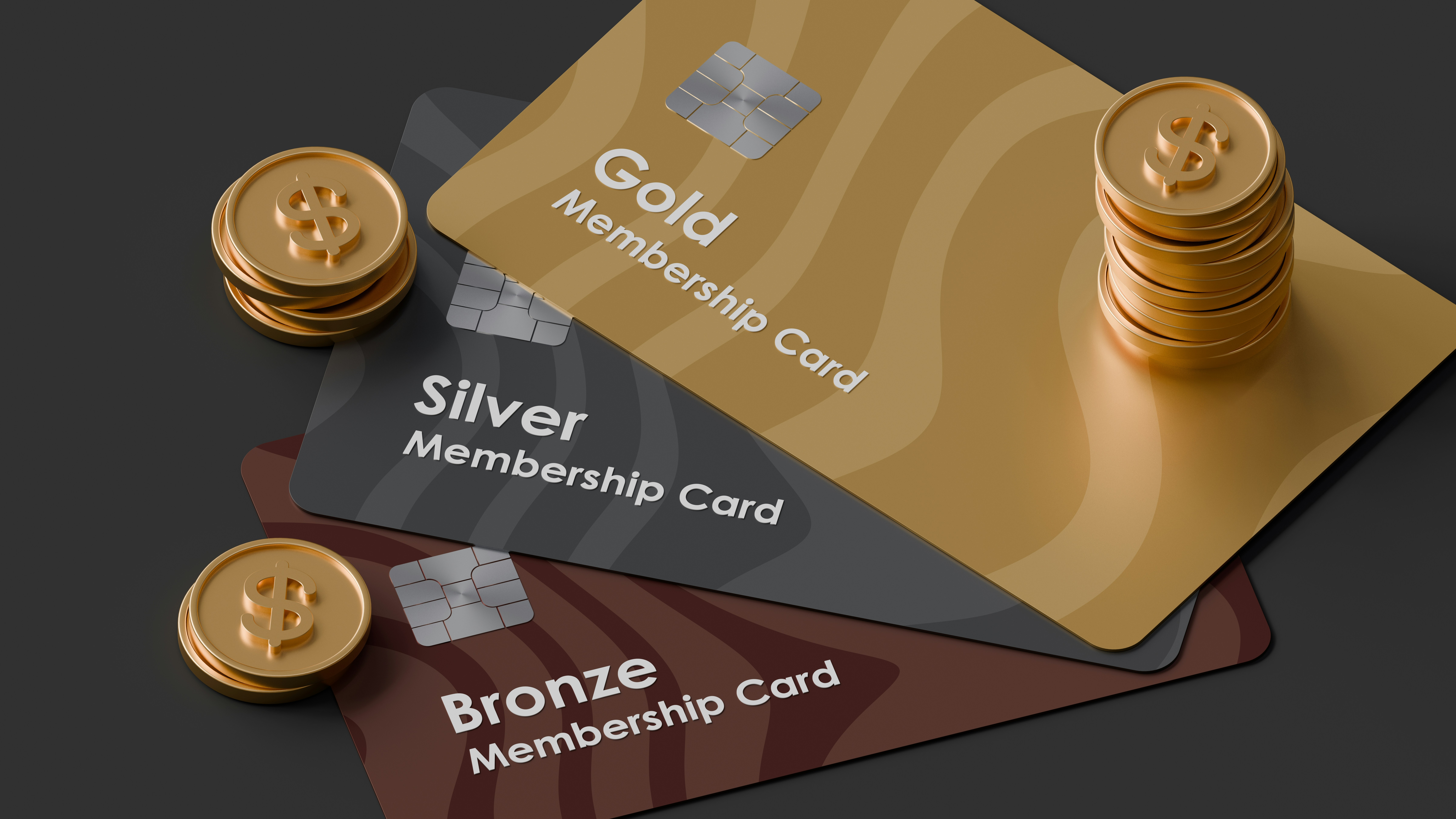
Discounts are no longer limited to sale seasons; membership cards, reward points, and discount codes have become so commonplace that many people choose where to shop based on existing store promotions. Globally, 29% of consumers say they prefer shopping at stores with reward programs or using reward points to reduce spending pressure. This figure has increased by 3 percentage points compared to 2025.
Along with that, the percentage of people switching to discount stores, stocking up when familiar brands are on sale, or choosing brands that are on promotion has also increased by 1 to 5 percentage points compared to the previous year. This is one of five major changes in consumer behavior in 2027 as indicated in NIQ's Consumer Outlook: Guide to 2027 report. NIQ also added that promotions are not only a tool to boost sales in the short term, but also help retain customers.
Consumer habit of accumulating discounts and promotions.
While in the past many people patiently waited for a major sale, now they proactively accumulate smaller discounts from various sources to save more than the original price. Up to 32% of consumers are willing to buy products on sale, and 31% take advantage of stockpiling if their favorite products are discounted.
NIQ calls this shopping approach value engineering. Instead of comparing products by their shelf price, shoppers compare them by the final amount paid after applying reward points, discount codes, or cashback. Therefore, a product with a higher list price may still be chosen, as long as the total cost after applying discounts and promotions is reasonable compared to other options. For many people, saving has gradually become a shopping habit, rather than an immediate reaction when their budget is tight.
Savings for better options
Discounts have long been seen as a playground for budget brands, where deep price reductions are used to attract price-sensitive buyers. However, when looking at how consumers use their savings, NIQ found that the story goes beyond simply buying cheaper.
For many people, the joy of shopping comes not only from buying what they want, but also from buying it at a good price. And sometimes, the savings gained from accumulated discounts aren't necessarily used to hunt for bargains, but rather as part of their budget to confidently spend on high-quality products. A person might be meticulous about items whose value for money or quality isn't clearly defined, but could also splurge on high-end items they deem worthwhile. Although seemingly contradictory, both of these spending mindsets are recognized as emerging consumer trends for 2027 (according to NIQ report).
In other words, promotions not only help retain bargain-seekers but can also be a catalyst for buyers to experience a company's premium product line. Sometimes, what makes them hesitant is spending a significant amount of money just to see if an item suits them, and if it doesn't, that expense becomes wasted.
Therefore, for luxury brands, participating in promotional campaigns doesn't mean devaluing themselves, but rather expanding options for customers who want to upgrade but are hesitant about the price.
Special offers via NFC touch on elevator screens.
So how can brands enter this consumer savings ecosystem? One way is to place offers right where consumers pass by every day. With Focus Media Vietnam's mini-app solution on Zalo, viewers simply touch their phone to the elevator advertising screen with integrated NFC to open the mini-app and receive offers from the brand without needing to download any additional applications.
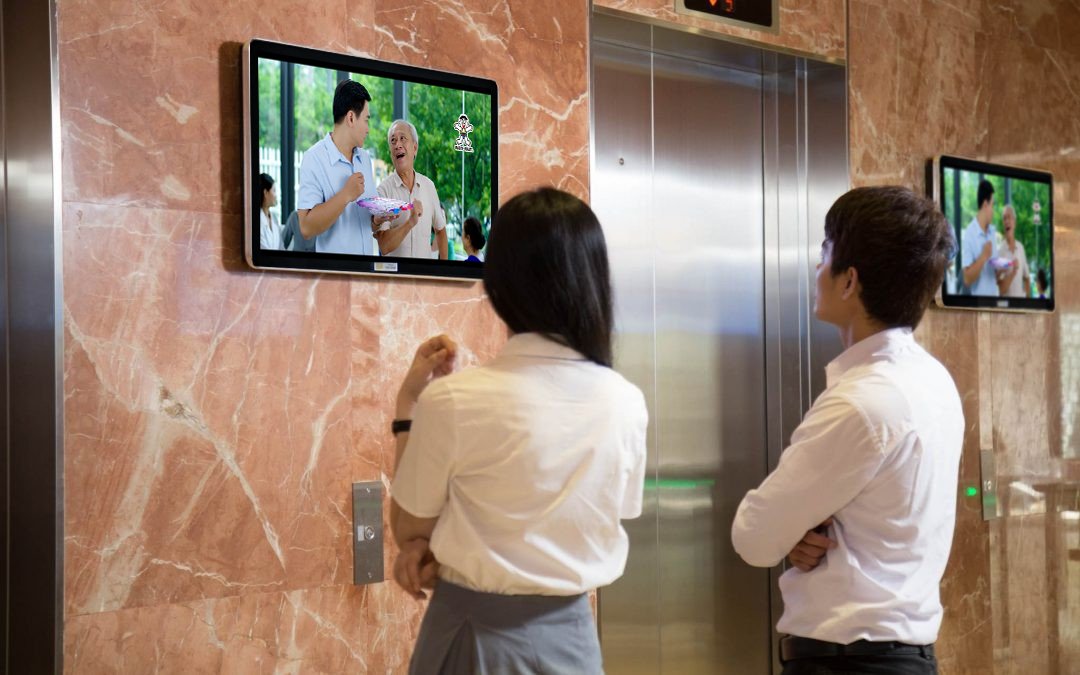
That offer could be a voucher for a next purchase, or a physical gift like a sample. For those accumulating discounts, this is another savings within easy reach. For those wanting to try premium products but hesitant to spend a large sum, a small gift or a discount on their first purchase is an opportunity to experience them without fear of wasting money. Offers don't necessarily have to be the same everywhere, as businesses can choose buildings based on demographics and foot traffic, ensuring that vouchers for budget-friendly options and sample gifts for premium products reach the right customer groups for each line.
More importantly, each tap means the viewer is no longer just looking at an advertisement, but actively taking a step towards the brand, initiating an interactive journey via NFC . These steps are also recorded on the mini-app, from the touch point, the source of interaction, post-tap behavior, to whether the offer or gift has been used. This allows businesses to know which offers actually reached buyers and adjust their strategies for future promotions.
When consumers accumulate discounts to buy a better product, the brands included in those discounts have a greater chance of being chosen. And sometimes, that first discount starts with just a tap in an elevator.


Comment (0)
Related News



TỪ "GIÁ TRỊ ĐỒNG TIỀN" ĐẾN "GIÁ TRỊ CẢM XÚC"
09/03/2026
 Contact
Let Focus Media Vietnam
Bring your brand into urban life
Share your campaign objectives. Focus Media Vietnam will advise on how your brand can appear at relevant touchpoints within the building and connect viewers to landing pages, e-commerce platforms, apps, or digital content.

No comments yet. Be the first to share your thoughts.